How External Wall Cladding Affects Thermal Performance in Industrial Units
External wall cladding plays a vital role in the energy efficiency and comfort of industrial units. Choosing the right external wall cladding solution directly influences how heat moves through a building’s exterior which affects running costs energy use and internal climate control. In this article we explain how external wall cladding affects thermal performance in industrial units what materials are most effective and why investing in quality cladding delivers long term benefits for industrial facilities.
What Is External Wall Cladding and Why It Matters
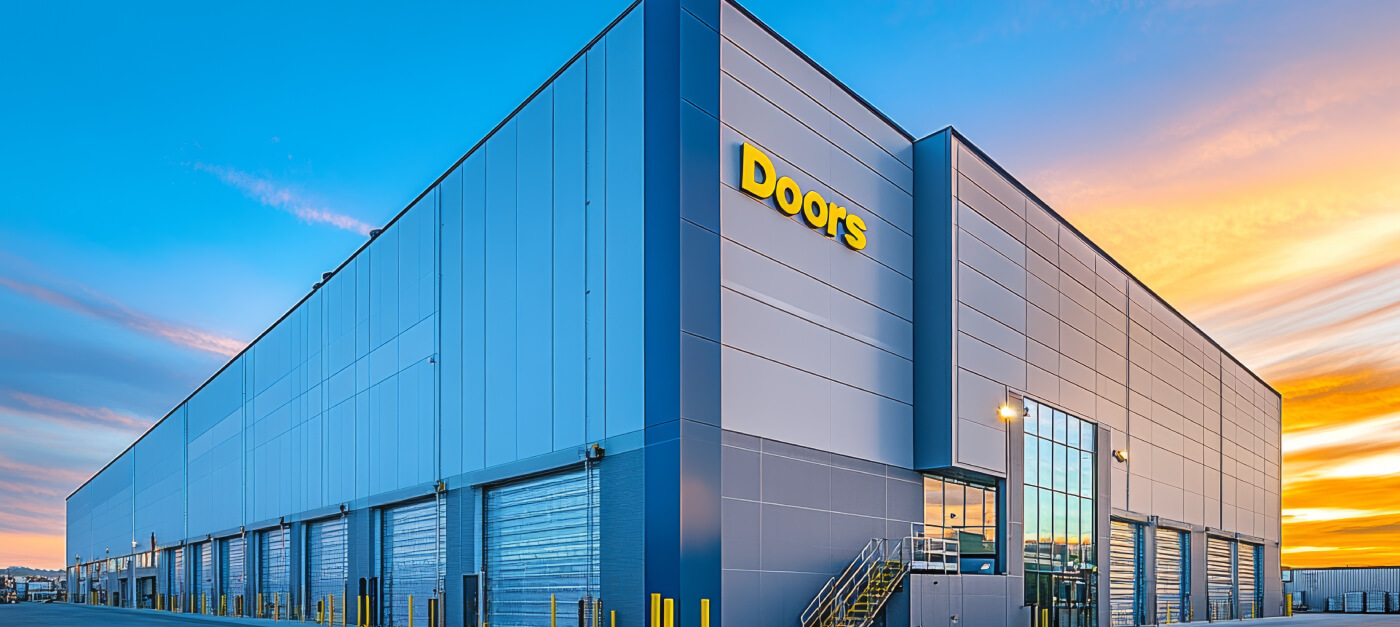
External wall cladding creates a protective outer layer for industrial buildings shielding the structure from weather while improving thermal performance. Modern cladding systems often include insulation layers that reduce heat transfer through the building envelope keeping interiors warmer in winter and cooler in summer which results in reduced energy usage and lower operational costs. External wall cladding also helps prevent moisture penetration and protects the underlying structure from corrosion or degradation.
Good external insulation cladding systems also help manage thermal bridging where conductive materials create weak points that allow heat to escape or enter more easily. By minimising these bridges and ensuring a continuous insulation layer cladding systems maximise thermal efficiency and reduce the demand on heating and cooling systems.
Types of External Wall Cladding That Impact Thermal Performance
Industrial units can use different cladding systems based on their thermal performance requirements aesthetic needs and budget:
Insulated Composite Panels
These combine outer metal skins with an insulating core to deliver high thermal resistance and low overall U-values making them ideal for buildings where temperature control is essential.
Over cladding Systems
These retrofit new insulated cladding over existing walls to significantly enhance thermal performance without major demolition.
Single Skin Metal Sheets
While less effective for insulation alone they can be combined with internal insulation layers to improve overall performance. Choosing the right type depends on the insulation targets of the project and regulatory requirements for industrial buildings.
Energy Savings and Operational Cost Reductions
One of the primary ways external wall cladding affects thermal performance is by reducing energy consumption for heating and cooling. Insulated cladding minimises heat loss in winter and limits heat gain in summer which helps maintain stable internal temperatures and can significantly lower utility costs. Improved insulation also reduces the load on HVAC systems prolonging equipment life and reducing maintenance costs.
Lower energy demand also contributes to a building’s environmental performance supporting sustainability goals and compliance with modern building regulations that emphasise reduced carbon emissions.
Moisture Control and Building Protection
In addition to thermal benefits external wall cladding helps control moisture by creating a barrier that prevents water ingress which can otherwise lead to damp issues corrosion and damage to structural components. Keeping water out improves the durability of industrial units and helps maintain insulation effectiveness over time.
Proper cladding systems also integrate ventilation or drainage layers where needed to prevent trapped moisture behind the cladding which could otherwise reduce thermal performance and cause long term issues.
Compliance with Regulations and Standards
Industrial buildings in the UK must comply with building regulations that include requirements for energy efficiency thermal performance and safety. Well specified external wall cladding helps achieve compliance by delivering the required thermal performance and by supporting certification under standards such as Part L of the Building Regulations.
Using certified cladding materials and professional installation ensures your project meets both performance and regulatory expectations.
Conclusion
External wall cladding is more than just an aesthetic upgrade for industrial units it plays a fundamental role in enhancing thermal performance reducing energy costs protecting structural integrity and ensuring long term compliance with efficiency standards. Choosing the right cladding materials and professional installation ensures your industrial building delivers comfort durability and cost savings for years to come.
Getting in touch with experienced contractors early in your planning process ensures you receive accurate quotes and realistic timelines. If you’re ready to discuss your project, you can request a free site survey to assess your building’s specific requirements.
Frequently Asked Questions
Professional Rainscreen Cladding Installation in Northamptonshire
RDP Cladding delivers rainscreen cladding systems for commercial, industrial, and retail properties across Northamptonshire and the wider UK.
With over 20 years of experience, we’ve completed projects ranging from warehouse refurbishments to multi-site retail installations, including work for national clients like Aldi supermarkets.

Why Choose RDP Cladding?
Our approach combines technical expertise with practical site knowledge. We provide complete documentation including risk assessments, method statements, and operations manuals, ensuring compliance with all building regulations and health and safety requirements.
As accredited Kingspan installers with SMAS Worksafe certification, we deliver installations that meet the highest industry standards.
Our Process
Every project begins with a thorough site assessment to understand your building’s specific requirements and identify the most suitable system for your needs.
Whether you’re updating an existing building or completing a new commercial development, we provide fixed-price proposals and maintain clear communication throughout the installation process.
To discuss your commercial cladding requirements or arrange a site visit, get in touch with our team today.