
How Commercial Cladding Helps Improve Building Energy Ratings
Improving building energy ratings is now a top priority for commercial property owners across the UK. With stricter regulations, rising energy costs and increasing demand for sustainable buildings, businesses are looking for effective solutions to enhance performance.
One of the most impactful upgrades is commercial cladding.
Modern commercial cladding systems do far more than improve the appearance of a building. They play a crucial role in insulation, energy efficiency, and overall building performance. In this guide, we explain how commercial building cladding directly improves energy ratings and why it is a smart investment.
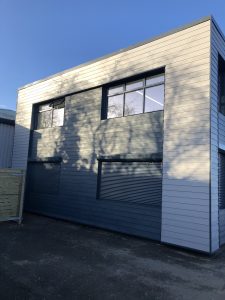
What Is Commercial Cladding
Commercial cladding is the external layer applied to a building to protect it from weather while improving insulation and aesthetics. It acts as a protective skin that enhances durability and thermal performance.
Commercial wall cladding is widely used across offices, warehouses, retail units and industrial buildings. It can be made from materials such as aluminium, steel, composite panels, timber or uPVC, depending on the project requirements.
How Energy Ratings Work in the UK
In the UK, buildings are assessed using Energy Performance Certificates, commonly known as EPCs. These rate buildings from A, which is most efficient, to G, which is least efficient.
Improving insulation, reducing energy consumption and enhancing thermal performance are key ways to achieve a higher rating. This is where commercial building cladding becomes highly effective.
How Commercial Cladding Improves Energy Efficiency
Enhanced Thermal Insulation
- One of the main benefits of commercial cladding systems is improved insulation.
- Cladding creates an additional barrier between the internal and external environment. This reduces heat loss during winter and prevents overheating during summer. As a result, buildings require less heating and cooling.
- High quality insulation within cladding systems helps maintain consistent indoor temperatures and reduces reliance on HVAC systems.
Reduced Heat Loss and Energy Consumption
- Without proper cladding, buildings can lose significant amounts of heat through external walls. Commercial cladding minimises this by creating a more airtight building envelope.
- This directly lowers energy usage and can significantly reduce utility bills. In some cases, energy efficiency improvements of up to 30 percent have been reported when cladding is properly installed.
Improved Solar Reflectivity
- Certain commercial wall cladding materials are designed to reflect sunlight rather than absorb it.
- This reduces heat gain during warmer months, keeping buildings cooler and lowering the need for air conditioning. Reflective surfaces are especially beneficial for large commercial buildings exposed to direct sunlight.
Airtight Building Envelope
- Modern commercial building cladding systems improve air tightness, preventing drafts and unwanted air leakage.
- This helps stabilise internal temperatures and ensures energy is not wasted. Airtight construction is a key factor in achieving better EPC ratings and overall building efficiency.
Integration with Insulated Systems
- Many commercial cladding systems are designed with built in insulation or can be combined with high performance insulation layers.
- This integrated approach enhances thermal performance and supports long term energy savings while also improving occupant comfort.
Why Commercial Cladding Is Key to Better EPC Ratings
Upgrading commercial building cladding is one of the most effective ways to improve EPC ratings because it directly impacts:
- Heat retention
- Energy consumption
- Carbon emissions
- Building envelope performance
With UK regulations becoming stricter, improving your building envelope through commercial cladding is often essential to remain compliant and competitive in the property market.
Additional Benefits of Commercial Cladding
Beyond energy efficiency, commercial cladding offers a wide range of advantages.
- Improved Building Protection
Cladding protects against wind, rain and environmental damage, extending the lifespan of the structure.
- Lower Maintenance Costs
Durable materials reduce the need for frequent repairs and maintenance.
- Enhanced Appearance
Commercial wall cladding modernises the look of a building, increasing its appeal to tenants and customers.
- Increased Property Value
Energy efficient buildings with higher EPC ratings are more attractive to investors and occupants.
Types of Commercial Cladding Systems
There are several types of commercial cladding systems commonly used in the UK:
- Metal cladding such as aluminium and steel
- Composite panel cladding
- Timber cladding
- uPVC cladding
- Fibre cement cladding
Each system offers different levels of insulation, durability and visual appeal, allowing businesses to choose the best option for their building.
Conclusion
Commercial cladding is one of the most effective ways to improve building energy ratings in the UK.
By enhancing insulation, reducing energy consumption and creating a more efficient building envelope, commercial cladding systems help businesses lower costs and meet modern energy standards.
Whether you are upgrading an existing building or planning a new project, investing in high quality commercial building cladding is a strategic step towards better performance, compliance and long term value.
Frequently Asked Questions
Why Choose RDP Cladding?
Our approach combines technical expertise with practical site knowledge. We provide complete documentation including risk assessments, method statements, and operations manuals, ensuring compliance with all building regulations and health and safety requirements.
As accredited Kingspan installers with SMAS Worksafe certification, we deliver installations that meet the highest industry standards.
Our Process
Every project begins with a thorough site assessment to understand your building’s specific requirements and identify the most suitable system for your needs.
Whether you’re updating an existing building or completing a new commercial development, we provide fixed-price proposals and maintain clear communication throughout the installation process.
To discuss your commercial cladding requirements or arrange a site visit, get in touch with our team today.